Buyer's Guide to Industrial Adhesive Distributors
Selecting an adhesive supplier requires checking technical support, logistics, and compliance records. This guide outlines practical criteria for evaluating distributors before placing procurement orders for industrial adhesives and sealants.
- Match the distributor's technical support to the specific failure modes of your production process.
- Verify logistics capabilities, including cold storage, shelf-life tracking, and emergency delivery options.
- Review compliance documentation to ensure materials meet your industry's safety and environmental standards.
- Test the supplier's responsiveness with a small trial order before committing to long-term agreements.
- Build a dual-source strategy for critical adhesives to protect production schedules from supply disruptions.
What makes a distributor different from a manufacturer?
An industrial adhesive distributor acts as a bridge between chemical producers and end-users. They handle inventory management, order consolidation, technical advice, and last-mile delivery. The manufacturer designs the chemistry. The distributor ensures the right product arrives at the right time, in the right condition, with the right documentation.
This distinction matters in procurement. A direct manufacturer relationship may offer custom formulations but often requires larger minimum order quantities. For example, a manufacturer of high-performance epoxies might require a minimum order of fifty drums to release a custom batch. A distributor provides broader access to multiple chemistries and can consolidate orders from several brands into one shipment. For many engineering teams, the distributor is the primary point of contact for day-to-day supply, even when the underlying chemistry comes from a specific manufacturer.
The distributor’s value extends beyond simple warehousing. They often hold stock of products that a manufacturer only produces on demand. This buffer stock protects your production line from long manufacturing lead times. When a specific sealant is used for a critical assembly line, having local inventory means you do not have to stop work waiting for a truck from a distant plant.
Distributors also manage the complexity of handling hazardous materials. Many industrial adhesives are classified as flammable or corrosive. Distributors employ trained personnel and maintain specific storage tanks and ventilation systems. They know how to stack drums, how to segregate incompatible chemicals, and how to handle leaks without disrupting the rest of the warehouse. The manufacturer focuses on the molecular structure of the bond; the distributor focuses on the physical logistics of the bottle.
How do you assess technical support quality?
Technical support is the single differentiator between a reseller and a true partner. A strong adhesive supplier has application engineers who understand failure modes, not just product names.
When evaluating support, ask for a written response to a specific technical scenario. Submit a problem statement that includes substrate materials, joint geometry, environmental conditions, and intended service life. Measure the response time and the depth of the analysis. A competent supplier will ask clarifying questions before recommending a product. They will identify potential risks, such as cure time conflicts with production cycle times or chemical compatibility issues with coatings.
Consider a scenario where you are bonding aluminum to a composite panel in an automotive assembly line. A weak supplier might simply suggest a general-purpose polyurethane. A strong technical team will ask about the surface treatment process, the temperature profile during the curing phase, and the expected vibration loads. They might point out that a standard pot-life of twenty minutes conflicts with your assembly line’s thirty-minute takt time. They will recommend a product with a faster open time or suggest a different application method, such as a spray system, to meet your cycle.
Check the accessibility of the support team. Can you reach an engineer during your operating hours? Is there a dedicated contact for your account, or does every question go to a general inbox? For complex sealant applications, on-site visits from the distributor’s technical team can save weeks of trial and error. They can inspect fixture design, surface preparation methods, and application equipment settings.
During these visits, observe how they interact with your production staff. Do they take notes? Do they measure surface roughness? Do they review your standard operating procedures? A supplier that treats a site visit as a formality often lacks the depth of experience needed for difficult applications. A true partner will leave with a clear action plan and specific product recommendations based on the physical evidence they found on your floor.
What logistics capabilities matter for industrial adhesives?
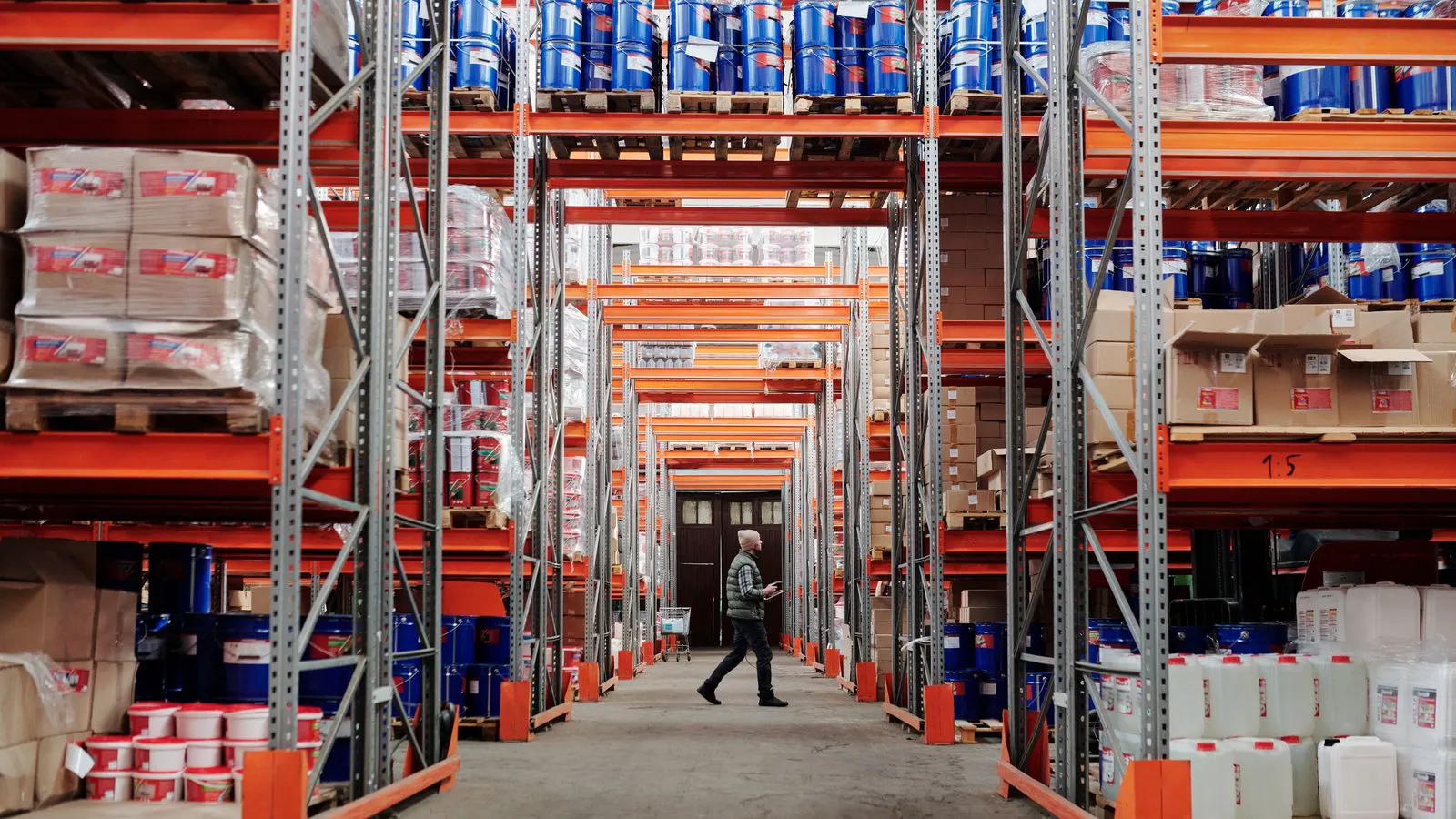
Adhesives and sealants are sensitive to temperature and time. A distributor with weak logistics can ruin a good product. Evaluate storage conditions first. Do they maintain temperature-controlled warehousing? Many specialty adhesives require specific humidity or temperature ranges to remain stable. If the supplier stores products in a standard climate-controlled office building, that is a red flag for sensitive chemistries.
Look at the specific products you use. Some silicone sealants degrade if exposed to excessive heat for extended periods. Others, particularly those with solvent-based carriers, require cool storage to prevent evaporation and loss of solids content. Ask the distributor for their average warehouse temperature and humidity levels. Request a tour of their storage facility if possible. Check for temperature logs and humidity sensors. Verify that they have backup power and climate control in case of grid failures.
Next, check their inventory management systems. Do they track batch numbers and expiry dates? Can they provide a Certificate of Analysis (CoA) for every shipment? For regulated industries, traceability is non-negotiable. If a lot of product fails in production, you need to isolate the specific batch and date of manufacture immediately. A distributor with a robust ERP system can pull this information instantly. One that relies on paper records or manual spreadsheets will struggle to provide this level of detail under pressure.
Delivery flexibility is another key metric. Ask about their emergency delivery protocols. What happens if a production line stops due to a supply shortage? Do they offer next-day or same-day delivery from regional hubs? Can they split shipments across multiple sites in a single order? For multi-site manufacturers, a distributor who manages regional inventory hubs reduces lead times significantly.
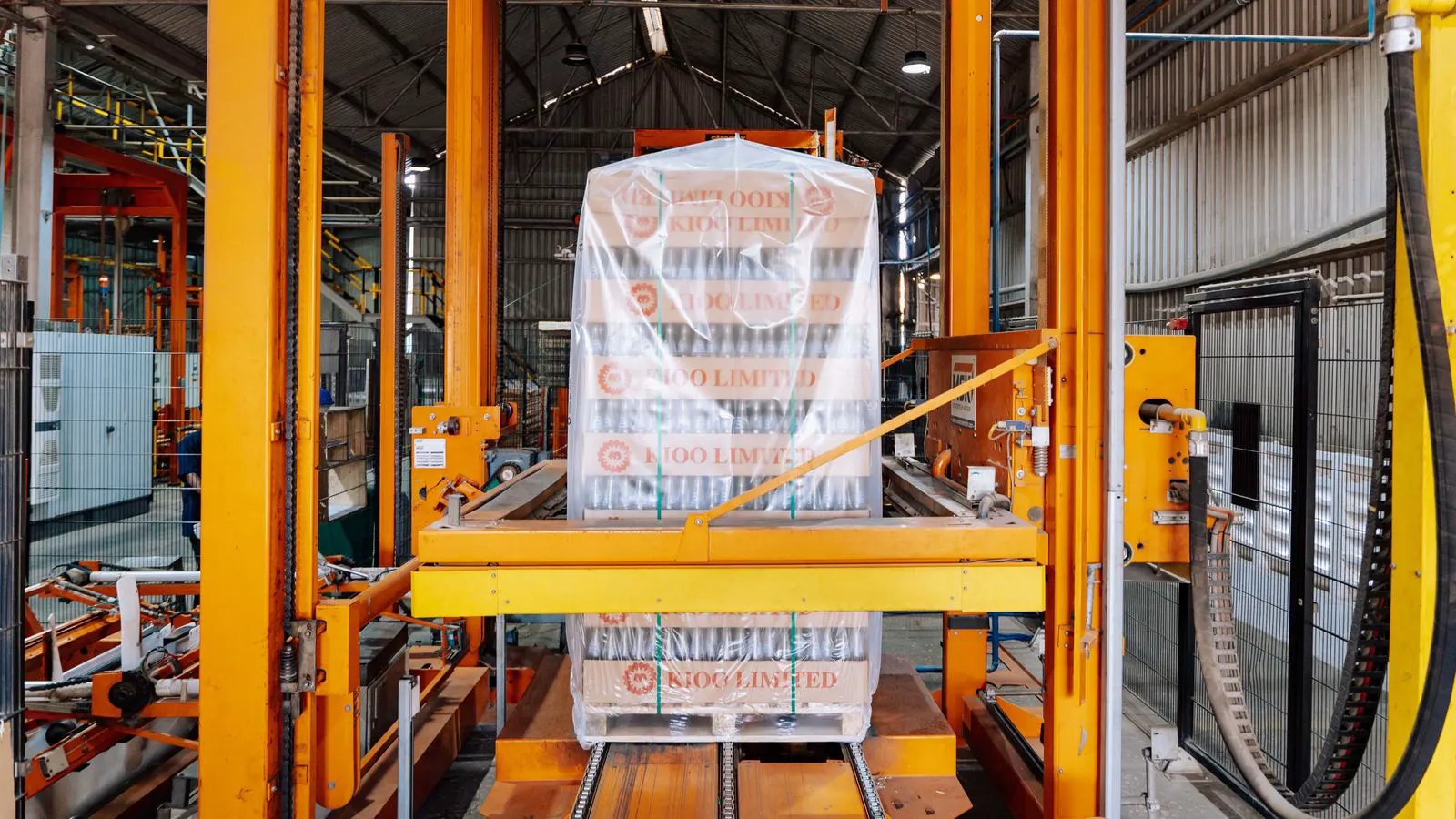
Consider the packaging integrity during transit. Adhesives must arrive in sealed containers. A single cracked drum can contaminate a pallet of product. Ask about their packaging standards. Do they use shrink-wrapping and corner protection for drums? Do they use padded crates for smaller bottles? Check their damage rate history. A reliable distributor will provide data on how often they have had shipping damage issues and how they resolve them.
How should you evaluate compliance and documentation?
Regulatory requirements vary by industry and region. Automotive, aerospace, food processing, and electronics sectors have specific material requirements. Your distributor must understand these standards and maintain the documentation to prove compliance.
Before contracting, request samples of their standard documentation. This should include Material Safety Data Sheets (MSDS) or Safety Data Sheets (SDS), certificates of conformance, and restricted substance declarations. Check if they can provide documentation in your language and format. For export orders, verify their ability to handle customs declarations and hazardous material shipping classifications.
In the automotive sector, for example, you may need to verify that a sealant does not contain volatile organic compounds (VOCs) above a certain limit. The distributor must be able to provide a declaration of compliance from the manufacturer. In electronics, you may need to ensure that a potting compound is halogen-free or low-lead. The distributor should have these certificates readily available and updated as regulations change.
Also, assess their quality management systems. Ask if they hold recognized quality certifications. More importantly, ask how they handle non-conforming product. What is their recall procedure? How quickly can they quarantine stock if a batch fails testing? A supplier with a clear, documented quality escalation process is far less risky than one that relies on verbal assurances.
Review their handling of expired stock. Adhesives have shelf lives, and using past-due product can compromise bond strength. Ask how they manage their inventory rotation. Do they follow a First-In, First-Out (FIFO) policy? Do they test expired batches before discarding them? A distributor that manages expiry dates proactively protects your production from unexpected failures caused by degraded materials.
How to test reliability with a trial order?
Do not sign long-term agreements based on brochures or phone calls. Run a controlled trial. Place a small order of the specific adhesives you need for a critical application. Observe the entire cycle from order placement to delivery.
Track the lead time from order confirmation to receipt. Compare it against the promised window. Inspect the packaging upon arrival. Are the drums sealed? Are the labels legible? Do the batch dates match the delivery note?
Once the product is on the floor, run it through your standard qualification process. Record application behavior, cure characteristics, and bond strength. Compare results against your historical data from previous suppliers. Note any inconsistencies. A reliable distributor will welcome this feedback and adjust their recommendations if needed.
During the trial, observe the administrative process. Was the purchase order acknowledged quickly? Did you receive a shipping notification before the truck arrived? Was the invoice accurate and itemized? These details shape the day-to-day relationship. A supplier who treats a small trial order with the same level of attention as a large contract is likely to perform well at scale.
Pay attention to the communication flow during the trial. If a shipment is delayed, how do they inform you? Do they provide a revised delivery date? Do they offer a solution, such as air freight for the remaining quantity? A distributor that communicates proactively during a disruption builds trust. One that goes silent until the truck is at the door creates friction and delays.
Criteria for evaluating an industrial adhesive distributor
Use the following table to score potential suppliers. Assign a score of 1 to 5 for each criterion. A higher total indicates a stronger fit for your procurement needs.
| Criterion | What to look for | Why it matters |
|---|---|---|
| Technical Support | Application engineers, response time, on-site visits | Ensures correct product selection and prevents production failures. |
| Logistics | Temperature control, batch tracking, emergency delivery | Protects product integrity and minimizes downtime risk. |
| Compliance | SDS availability, quality certifications, recall procedures | Meets regulatory requirements and ensures traceability. |
| Inventory Depth | Stock levels for critical SKUs, regional hubs | Reduces lead times and prevents supply chain disruptions. |
| Communication | Dedicated contact, accuracy of documentation | simplify procurement and reduces administrative errors. |
| Financial Health | Payment terms, credit rating, years in business | Reduces risk of supplier insolvency or service discontinuation. |
Decision checklist for selecting a supplier
Before finalizing your choice, walk through this checklist. If a supplier fails any of these checks, investigate the issue or disqualify them.
- Can they provide a written technical assessment for your specific application?
- Do they store products in climate-controlled environments?
- Can they provide batch-level traceability for every shipment?
- Have they passed your small trial order without delays or errors?
- Do they hold the necessary compliance certifications for your industry?
- Is there a clear escalation path for quality issues?
- Do their payment terms align with your cash flow requirements?
- Can they supply alternative chemistries if your primary product is unavailable?
Frequently asked questions
Should I buy directly from the manufacturer or use a distributor?
It depends on volume and complexity. Direct manufacturers may offer better pricing for large, standardized orders. Distributors provide convenience, broader product access, and consolidated logistics for smaller or varied orders.
What is the biggest red flag in a distributor's technical support?
A generalist who cannot answer specific questions about substrate compatibility or cure conditions without checking a database. A true expert will reference past application data and ask for details about your process.
How much inventory should a distributor hold for critical adhesives?
There is no universal rule. It depends on your consumption rate and the lead time from the manufacturer. A safe practice is to hold enough stock to cover one production cycle plus a safety buffer.
Can I use multiple distributors for different product lines?
Yes, this is common. However, it increases administrative overhead. Consider using one primary distributor for core products and a secondary source for niche or specialty chemistries.
How often should I review my adhesive supplier relationship?
At least annually. Review pricing, service levels, and technical support quality. Also, review the relationship after any significant production issue or new product launch.