
Selection by Substrate
Buying Guide: High-Temp Metal Adhesives for Aerospace
Use high-temp metal adhesives in aerospace to bond dissimilar metals and structural components under heat. This guide covers material compatibility, surface preparation
Practical industrial adhesive and sealant selection for buyers and engineers.

Selecting an adhesive or sealant requires more than a material name. Buyers compare substrate compatibility, cure conditions, load capacity, service life, and failure modes before approving a specification. This site covers those decision points with plain technical language.
The pages address the core sections of the industry: structural adhesives, silicone and polyurethane sealants, hot melt and pressure-sensitive systems, selection by substrate, testing and standards, cost and shelf life, and choosing a supplier. The goal is to reduce guesswork when specifying, procuring, and validating these materials.
Start with the stage of the sourcing process you are in.
Explore epoxies, cyanoacrylates, and other high-strength systems for load-bearing joints and permanent bonding.
Compare flexible sealants for weatherproofing, gap filling, and thermal movement applications in construction.
Learn how hot melt and pressure-sensitive tapes and adhesives support packaging, labeling, and quick assembly.
Match adhesive systems to metals, plastics, glass, composites, and other substrates for reliable surface bonding.
Understand shear, peel, and durability tests that verify adhesive performance and ensure quality control.
Review price factors, storage requirements, and expiration dates to manage material costs and inventory.
Evaluate technical support, reliability, and documentation to select a dependable industrial adhesive supplier.
Use high-temp metal adhesives in aerospace to bond dissimilar metals and structural components under heat. This guide covers material compatibility, surface preparation

Aerospace adhesive cost rises when raw material, traceability, cure control, and certification demand increase. Buyers should plan for stricter sourcing, longer
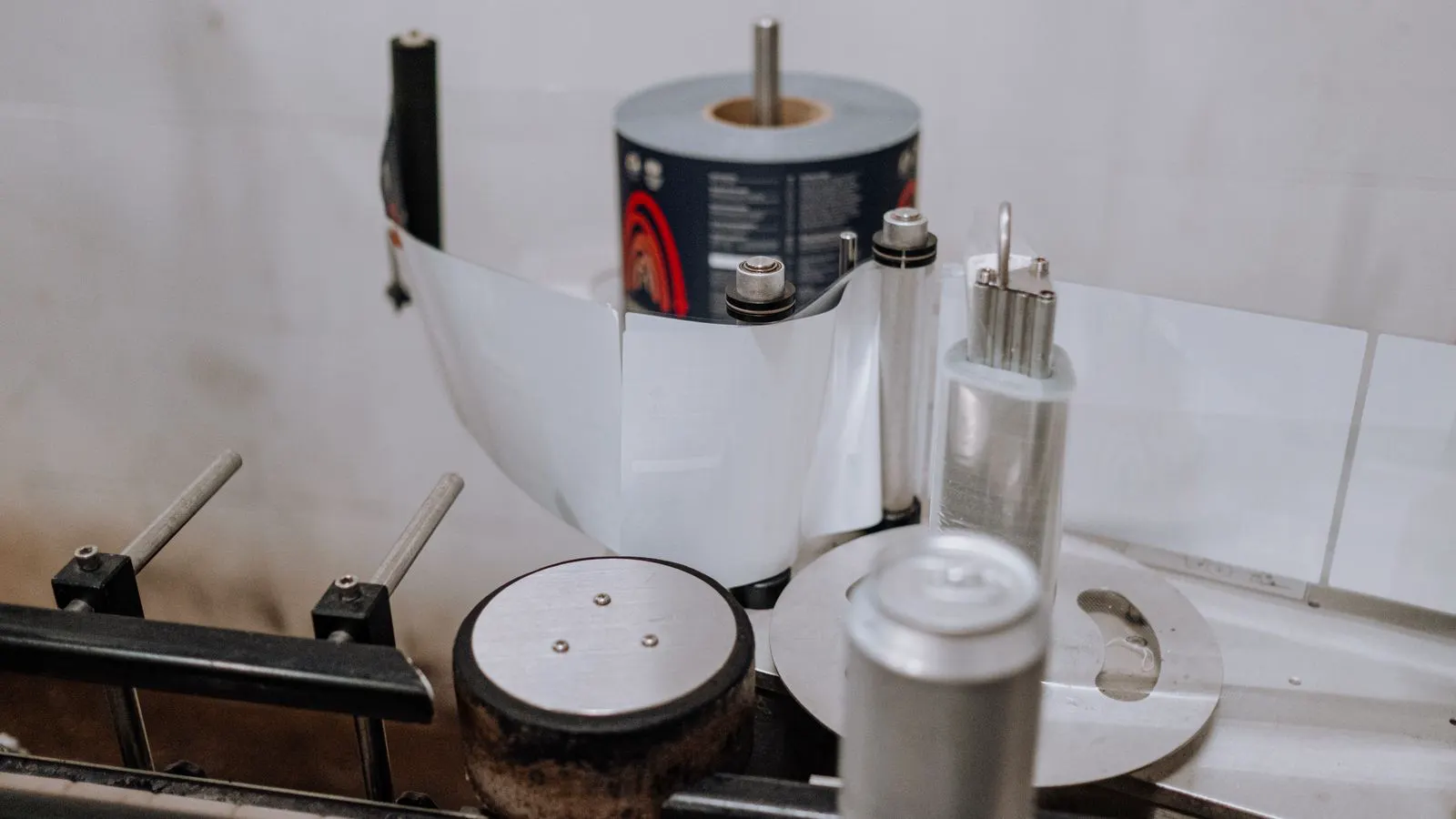
Buyers should focus on low-temperature flexibility, digital compatibility, and sustainable substrates. These trends require testing protocols and supplier communication.

Selecting an adhesive supplier requires checking technical support, logistics, and compliance records. This guide outlines practical criteria for evaluating distributors
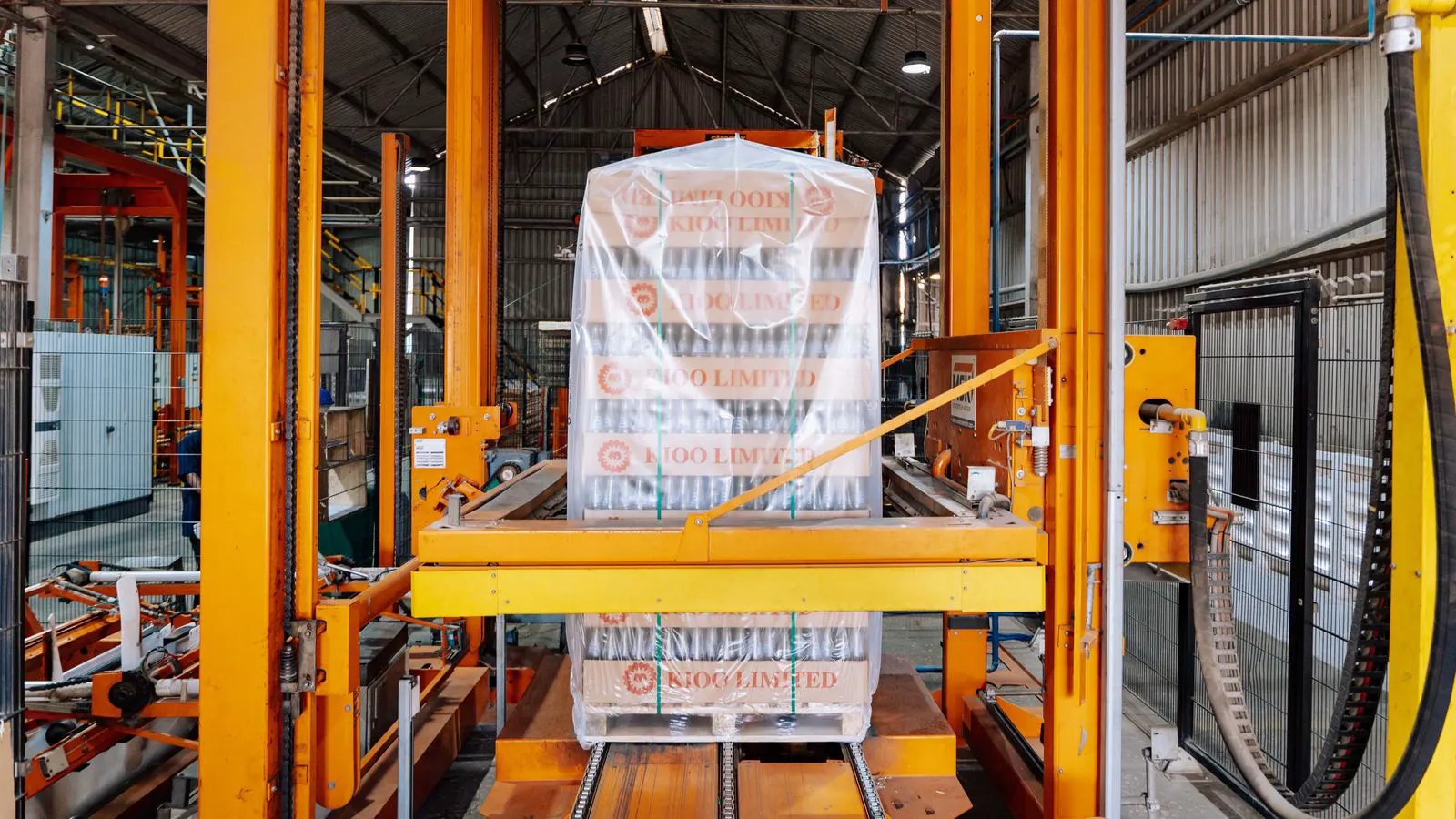
Evaluate hot melt adhesive options for packaging by checking open time, tack, bond strength, and substrate compatibility. This checklist helps buyers match adhesive

The best shear strength test depends on joint geometry, substrate rigidity, and failure mode. You must match the method to your application to validate structural

Choose silicone for wide, flexible joints and high-temperature exposure. Choose polyurethane when you need paintability, adhesion to mixed substrates, or a tighter

Selecting the right epoxy for structural joints requires matching adhesive chemistry to load types, joint geometry, and environmental conditions. A systematic approach

Polyurethane sealant shelf life depends heavily on storage conditions. Unopened tubes last longer than opened ones. Proper storage prevents premature hardening. Cure
Structural adhesives are designed to transfer load and replace or supplement mechanical fasteners. Non-structural adhesives focus on bonding, holding, or sealing without carrying significant mechanical stress.
Silicone sealants are often selected for flexibility, weather resistance, and long-term movement tolerance. Polyurethane sealants may offer better adhesion to certain substrates and stronger mechanical performance in specific conditions.
Surface texture, porosity, chemical composition, contamination, and thermal cycling all influence adhesion. Materials such as metal, glass, plastic, wood, and composites often require different surface preparation and adhesive types.
Testing defines how an adhesive or sealant performs under specific conditions. Standards provide common methods for measuring strength, durability, and compatibility, which helps buyers compare options and verify supplier claims.
Cost includes material price, application labor, storage, and waste from expired or damaged stock. Shelf life affects inventory planning, especially for products that require cold storage, limited open times, or strict batch tracking.
Buyers should review technical support, documentation, consistency, lead time, quality controls, and the supplier's ability to respond to specification changes. A reliable supplier provides clear material data and supports troubleshooting.