Polyurethane Sealant Shelf Life and Cure Time Guide
Polyurethane sealant shelf life depends heavily on storage conditions. Unopened tubes last longer than opened ones. Proper storage prevents premature hardening. Cure time varies with temperature and humidity. Engineers must plan for both factors to avoid failed joints.
- Unopened polyurethane sealant typically remains stable for one to two years when stored correctly.
- Once opened, the usable shelf life drops significantly, often to a few weeks or months.
- High temperatures and humidity accelerate the chemical reaction that causes premature hardening.
- Cure time is a separate process from shelf life and is affected by ambient conditions.
- Checking the date on the container and storing at room temperature prevents most spoilage issues.
How long does unopened polyurethane sealant last
The date printed on the label gives the maximum stability window before opening. For most standard polyurethane sealants, this period ranges from twelve to twenty-four months. This timeline assumes the container remains sealed and the product is kept in a cool, dry environment. Heat and moisture are the main enemies of the liquid form.
When the sealant is still in the factory pack, the chemistry is dormant. The isocyanate groups are protected from atmospheric moisture. This protection allows the product to sit in inventory without changing. If the seal is broken, even slightly, the reaction begins.
Manufacturers test stability under specific conditions. These conditions usually mimic a warehouse or storage room. If you store product in a hot plant area, the effective shelf life shrinks. The chemistry moves faster at higher temperatures. This can lead to a stiff or gummy texture before the printed date passes.
Check the batch code and the best before date on every container. Do not mix old stock with new batches. Mixing different ages can create unpredictable consistency. It also makes quality control difficult if a joint fails later.
How does opening the container change shelf life
Opening the tube or canister changes the storage scenario completely. Exposure to air and humidity starts the reaction. The usable shelf life after opening is much shorter than the unopened period. For many industrial grades, this window is between two and six weeks. Some products may last longer if sealed tightly, but the risk increases.
The reaction is not instantaneous. It happens gradually. The sealant may look fine for days. Then it becomes harder to extrude. Eventually, it will not move at all. This is not just drying on the surface. The entire contents can thicken.
Store opened containers in the original packaging. Keep the cap tight. If the product is in a cartridge, the inner liner helps, but the cap seals are what matter most. A loose cap lets in moisture. A tight cap slows the process.
If you have a large project, do not buy a year of supply at once. Buy in smaller increments. This reduces the risk of finding a hardened block in the tube. It also ensures the material is fresh for the critical bonding work.
What are the standard storage requirements
Cool and dry is the standard rule. The ideal temperature range for polyurethane sealant is usually between ten and thirty degrees Celsius. Avoid freezing temperatures. Freezing can damage the emulsion or cause phase separation in some formulations. When thawed, the texture may not return to normal.
Avoid direct sunlight. UV light can degrade the polymer chains over time. It can also heat the container, which triggers the reaction. Store product in a shaded area. A metal cabinet or a shaded shelf in a warehouse is ideal.
Humidity is the other major factor. High humidity speeds up the cure. If you store product in a coastal area or a humid plant floor, the shelf life drops. Use a dehumidifier if the storage area is damp. Keep the containers sealed. Do not leave them on a wet floor.
Keep the product away from strong odors. Some solvents or chemicals can react with the sealant. Store it away from paints, thinners, and solvents. This is also a safety measure. Polyurethane sealants can release isocyanate vapors if the chemistry is disturbed.
How does temperature affect cure time
Cure time is the period after application where the sealant hardens. It is different from shelf life. Shelf life is how long it stays usable before you apply it. Cure time is how long it takes to set after you apply it.
Low temperatures slow the cure. If the ambient temperature is below ten degrees Celsius, the sealant may take much longer to set. This can cause problems with fixtures or clamps. The material may remain soft for days. It is not cured yet, but it feels stiff.
High temperatures speed up the cure. In hot conditions, the sealant can harden very quickly. This reduces the working time. You have less time to position the joint or apply a second bead. It can also cause the material to skin over too fast.
Humidity also plays a role in cure time. Polyurethane cures by reacting with moisture in the air. High humidity provides more moisture for the reaction. This can speed up the cure. Low humidity slows it down. The balance between temperature and humidity determines the final cure speed.
How to compare shelf life and cure data from suppliers
When writing a request for quotation, ask for the technical data sheet. The TDS should list the unopened shelf life. It should also list the recommended storage conditions. Ask for the cure time at standard conditions.
Do not rely on the label alone. The label often gives the minimum. The TDS gives the typical performance. If a supplier does not provide a TDS, that is a red flag. A professional product should have clear data.
Compare quotes based on total cost of ownership. A cheaper sealant with a short shelf life may cost more. You may waste material. You may need to buy replacements. A slightly more expensive product with a longer shelf life can save money.
Ask about the batch testing. Reliable suppliers test each batch for viscosity and pot life. If they do not test, the consistency may vary. This is a problem for automated dispensing. The nozzle may clog. The bead may be uneven.
How to manage waste and reduce costs
Plan your usage based on the shelf life. If you need a small amount for a maintenance job, buy a small tube. Do not buy a large canister. A large canister will likely harden before you use it all.
Keep a log of opened products. Write the date you opened it. Put it on the shelf. If you open a tube on Monday, mark it as “open.” This helps you use the oldest stock first. It prevents finding a hardened tube when you need it for an emergency repair.
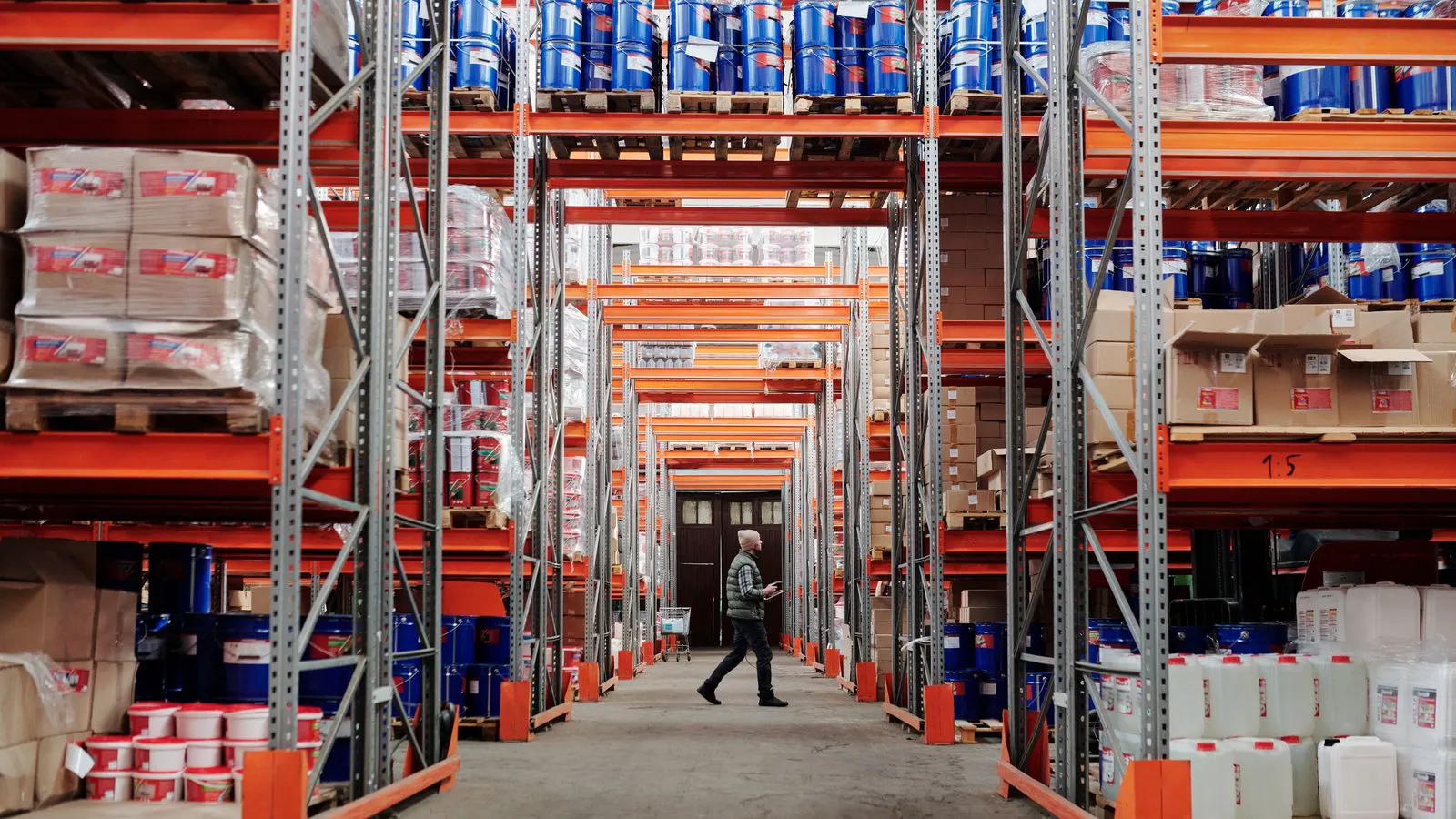
Store product in a first in, first out system. Put new stock behind old stock. This is a basic warehouse rule. It works well for sealants too. It ensures you use the material before it degrades.
If you have a dispensing line, clean the nozzle regularly. Residual sealant in the nozzle can harden. It can block the flow. Clean the nozzle with a suitable solvent after each use. This keeps the machine working and prevents waste.
How to interpret cure time data for your application
The cure time data usually gives two values. One is for touch dry. This is when the surface is no longer sticky. The other is for full cure. This is when the material has reached its full strength.
Touch dry is useful for re-coating or moving the part. It does not mean the joint is strong. Do not apply load until full cure is reached. For structural applications, wait for full cure.
The data sheet usually lists cure time at twenty five degrees Celsius and fifty percent relative humidity. Your site conditions may be different. If you are working in a cold room, expect longer cure times. If you are working in a humid area, expect shorter cure times.
Adjust your production schedule accordingly. If you are setting a fixture, make sure the clamp time matches the cure time. If the clamp comes off too soon, the joint may shift. This can lead to a weak bond.
Practical steps for a reliable supply chain
Start with the product specification. Define the required bond strength and the required shelf life. This helps you choose the right grade. Not all polyurethane sealants are the same. Some are for general purpose. Some are for high strength.
Choose a supplier that offers small quantities for testing. This lets you check the shelf life in your specific environment. Store a sample for a month. Open it. Check the viscosity. Apply a test bead. Cure it. Test the strength.
Build a relationship with the supplier. Ask about their storage practices. Ask how they handle returns. A good supplier will help you with storage advice. They will also help you if you have a quality issue.
Keep a spare stock. Do not run out. If you run out, you may have to wait for delivery. This can stop a production line. A small buffer stock reduces the risk. It also gives you time to reorder.
Common mistakes to avoid
Do not store product in a hot car. The heat inside a car can reach very high temperatures. This will shorten the shelf life. The product may harden. Do not do this.
Do not leave the cap off. Even a short period with the cap off can start the reaction. Put the cap on immediately. Keep it tight.
Do not ignore the date. If the product is past the best before date, it may not work. It may not bond properly. It may not cure fully. Do not use expired product for critical applications.
Do not mix brands. Different formulations react differently. Mixing them can cause problems. Use one brand and one grade for a specific project. This makes quality control easier.
Frequently asked questions
Can I extend the shelf life of opened polyurethane sealant?
You can slow the reaction by keeping the cap tight and storing it cool. You cannot stop the reaction. The usable life is still limited after opening.
What is the difference between pot life and shelf life?
Pot life is the time the sealant remains workable after mixing or opening. Shelf life is the time the product remains stable in storage before opening.
Does humidity affect shelf life?
Yes. High humidity can cause the sealant to thicken while in the container. This reduces the time you can use it.
How do I know if the sealant is bad?
Check the texture. If it is stiff, lumpy, or has a strong odor, it is likely degraded. Do not use it for structural bonds.
What is the best storage temperature for polyurethane sealant?
A cool, dry area between ten and thirty degrees Celsius is ideal. Avoid freezing and direct sunlight.