Pressure-Sensitive Adhesive Trends for Labeling
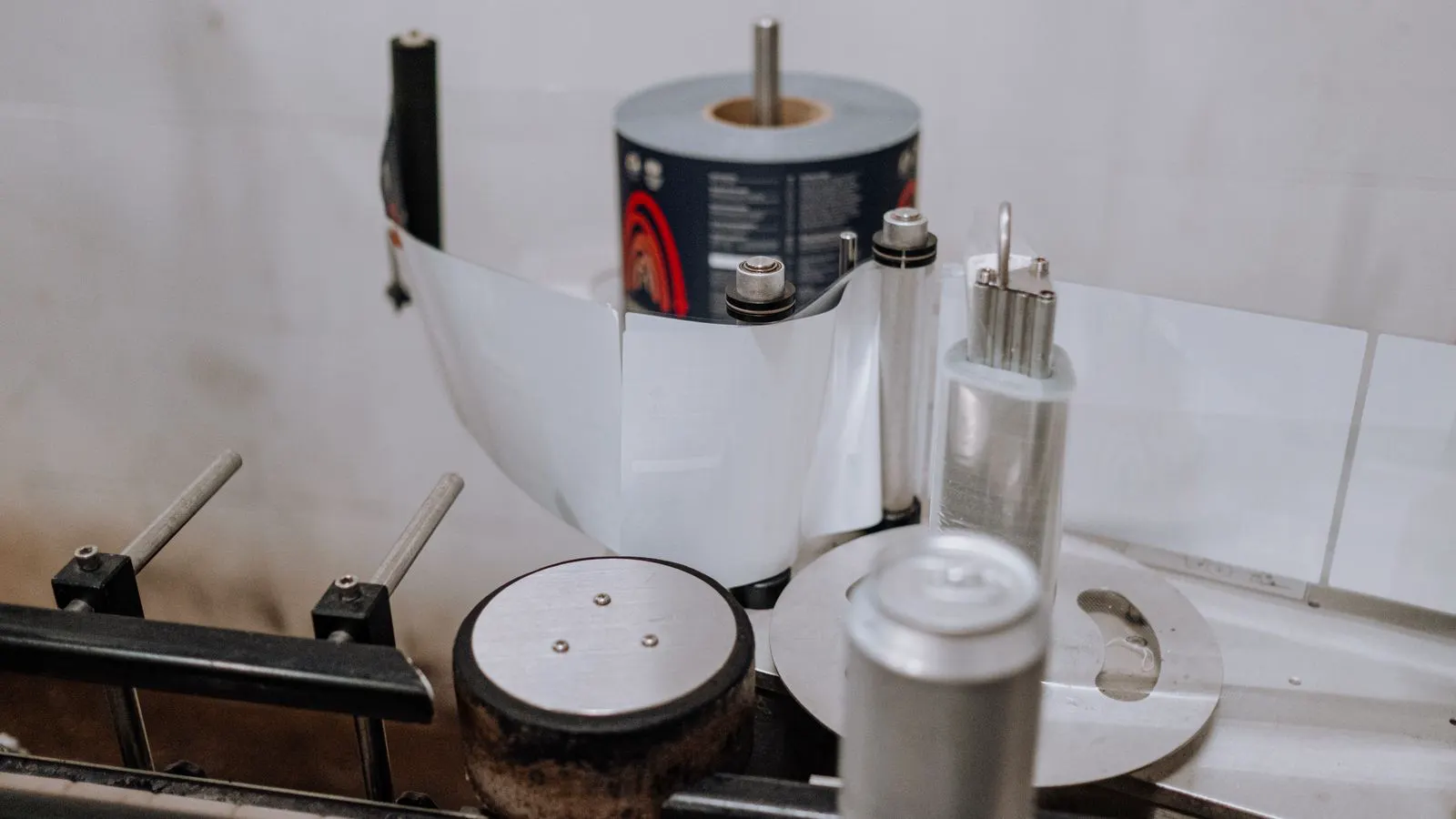
Buyers should focus on low-temperature flexibility, digital compatibility, and sustainable substrates. These trends require testing protocols and supplier communication. Planning for these changes ensures label performance and reduces rework.
- Prioritize low-temperature flexibility to prevent label lifting in cold storage.
- Verify that new adhesive stocks are compatible with digital printing processes.
- Request sustainability documentation from suppliers to meet regulatory changes.
- Update internal testing protocols to cover new adhesive chemistries.
- Diversify suppliers to mitigate risks from raw material fluctuations.
Why labeling adhesive behavior is changing
Labeling is moving away from static product specifications. The adhesive layer is no longer just a glue. It interacts with digital print heads, variable data, and diverse substrates. A label that worked fine on a standard paper roll two years ago may now fail on a recycled film or a high-speed digital press.
The shift is driven by three forces. Print technology is moving to digital for short runs. Sustainability rules are pushing toward recyclable and mono-material labels. And global temperature swings are stressing the adhesive layer during storage and transport.
This guide outlines the shifts buyers should plan for. It covers how to prepare your testing and sourcing processes.
How low-temperature performance is becoming a default requirement
Cold storage is a major stress point for pressure-sensitive adhesive. Labels on frozen goods or products stored in unheated warehouses face constant contraction. Standard adhesives stiffen. They lose tack. The label edge lifts.
The trend is toward adhesives with better low-temperature flexibility. Suppliers are reformulating polymers to keep the adhesive layer flexible at lower temperatures. This is not just about the storage environment. It also affects the application process.
If your facility has cold zones, your adhesive selection needs to match. A standard room-temperature adhesive may pass your initial lab tests but fail in the freezer. Ask your supplier for data on the adhesive’s performance at the lowest temperature in your supply chain.
This shift also impacts the label substrate. The paper or film must contract at a similar rate to the adhesive. Mismatched materials cause stress. That stress leads to delamination.
Digital printing changes adhesive demands
Digital printing is gaining ground for labeling. It allows short runs and variable data. But it changes the chemistry of the adhesive layer. Ink types and curing processes interact with the adhesive.
Some digital inks contain solvents that can migrate into the adhesive. This weakens the bond. Others may not dry fully if the adhesive layer is too thick. The adhesive must be thin enough to allow proper ink drying but strong enough to hold the label.
Buyers need to verify compatibility. Do not assume a standard roll works on your digital press. Run small test batches. Check for ink migration. Check for tack loss after curing.
The trend is toward dedicated digital labeling adhesives. These are formulated to work with specific ink systems. They are often thinner and have different tack profiles than traditional pressure-sensitive adhesives.
Sustainability drives material and adhesive changes
Sustainability is reshaping the labeling market. Regulations and customer demands are pushing toward recyclable labels. This means changing the substrate and the adhesive.
Traditional pressure-sensitive adhesives are often petroleum-based. They are hard to separate from paper or film. The new trend is toward water-based adhesives and adhesives that can be separated with mechanical recycling.
This changes the adhesive chemistry. Water-based adhesives have different drying times. They require different application speeds. They may also have different tack levels.
Buyers must align their sustainability goals with adhesive selection. If you are moving to a mono-material label, your adhesive must be compatible with the recycling stream. Ask your supplier how their adhesive performs in the target recycling process.
Supply chain shifts affect adhesive availability
Raw material costs and availability are fluctuating. This affects the adhesive supply chain. Key polymers and resins are subject to price changes and supply constraints.
The trend is toward more stable supply through diversification. Suppliers are developing alternative chemistries. They are also increasing local production to reduce transport risks.
For buyers, this means the adhesive you order today may have a different composition in six months. Suppliers may adjust formulations to manage costs. These changes can affect performance.
You need a strategy for supplier communication. Ask about formulation changes. Request sample runs before large orders. Maintain a list of alternative suppliers who can meet your specifications.
How to prepare your testing and sourcing processes
The shifts above require changes in how you test and source adhesives. The old method of selecting a standard product and reordering it is no longer enough. You need a dynamic approach.
First, update your testing protocol. Include low-temperature tests. Include digital print compatibility checks. Include sustainability verification. Test the adhesive on your specific substrates. Do not rely on generic data sheets.
Second, review your supplier relationships. Ask about their roadmap. Ask about raw material risks. Ask about formulation changes. Suppliers who are transparent about these issues are easier to work with.
Third, diversify your sourcing. Relying on a single supplier for a critical adhesive is a risk. Have at least one alternative. This does not mean switching constantly. It means having a backup plan.
What to watch in the next few years
The pressure-sensitive adhesive market is moving toward greater specificity. General purpose adhesives are being replaced by targeted formulations. The adhesive must match the substrate, the print process, the environmental conditions, and the end of life.
Watch for more detailed data from suppliers. Expect to see data on recycling compatibility. Expect to see data on low-temperature performance. Expect to see data on digital print interaction.
The buyers who plan for these changes will have a smoother process. They will have fewer failed batches. They will have better supply chain visibility. They will be ready for the shifts that are already happening.
Comparison of adhesive types for labeling
The table below compares common adhesive types used in labeling. It highlights the strengths and limitations of each. Use this as a reference when reviewing new options.
| Adhesive Type | Typical Use | Key Strength | Main Limitation |
|---|---|---|---|
| Acrylic | General purpose labels | Wide temperature range | Higher cost than rubber |
| Rubber | Short run labels | High initial tack | Poor low-temperature flexibility |
| Water-based | Sustainable labels | Lower VOC, easy cleaning | Slower drying, lower tack |
| Silicone | High temperature labels | Excellent heat resistance | Difficult to remove, higher cost |
| Hot melt | Instant bonding | Fast cure | Limited low-temperature flexibility |
| Pressure-sensitive | Standard labels | Consistent tack | Sensitive to substrate changes |
A practical checklist for buyers
Use this list to prepare your team for the upcoming shifts. It is not a one-time task. It is an ongoing process.
- Identify your cold storage zones. Map out where labels are stored below room temperature. Note the lowest temperature.
- List your digital print setups. Record the ink types and press speeds. This helps you select compatible adhesives.
- Review your sustainability targets. Define what “recyclable” means for your product. Is it mechanical recycling? Is it composting?
- Update your testing protocol. Add tests for low-temperature flexibility and digital print compatibility.
- Review your supplier list. Identify who can provide alternative chemistries. Who can provide sustainability data?
- Set up a review cycle. Check your adhesive specifications every six months. Adjust them as your processes and regulations change.
This checklist is not a substitute for testing. It is a framework for planning. Use it to guide your conversations with suppliers and your internal team.
The bottom line for labeling buyers
The pressure-sensitive adhesive market is moving toward greater specificity and sustainability. The shifts are already here. They will continue to develop.
Buyers who plan for these changes will be better prepared. They will have fewer issues with label performance. They will have better supply chain visibility. They will be ready for the new requirements.
The key is to act now. Update your testing. Review your suppliers. Align your adhesive selection with your sustainability goals. The effort is not large. The benefit is significant.
Frequently asked questions
What is the biggest change in pressure-sensitive adhesive for labeling?
The biggest change is the need for low-temperature flexibility. Labels in cold storage are failing with standard adhesives. Buyers need to test for performance at low temperatures.
How does digital printing affect adhesive selection?
Digital printing inks can interact with the adhesive layer. Some inks cause migration or drying issues. Buyers should run test batches to verify compatibility with their specific ink system.
What are the sustainability implications for adhesive selection?
Sustainability is pushing toward recyclable labels. This requires adhesives that can be separated from the substrate. Water-based adhesives are a common option. Buyers should verify compatibility with their recycling stream.
How should buyers handle supply chain risks?
Raw material costs and availability are fluctuating. Buyers should diversify their suppliers. They should maintain a list of alternatives and request sample runs before large orders.
How often should buyers review their adhesive specifications?
Buyers should review their specifications every six months. This allows them to adjust for changes in technology, regulations, and supply chain conditions. It is an ongoing process, not a one-time task.